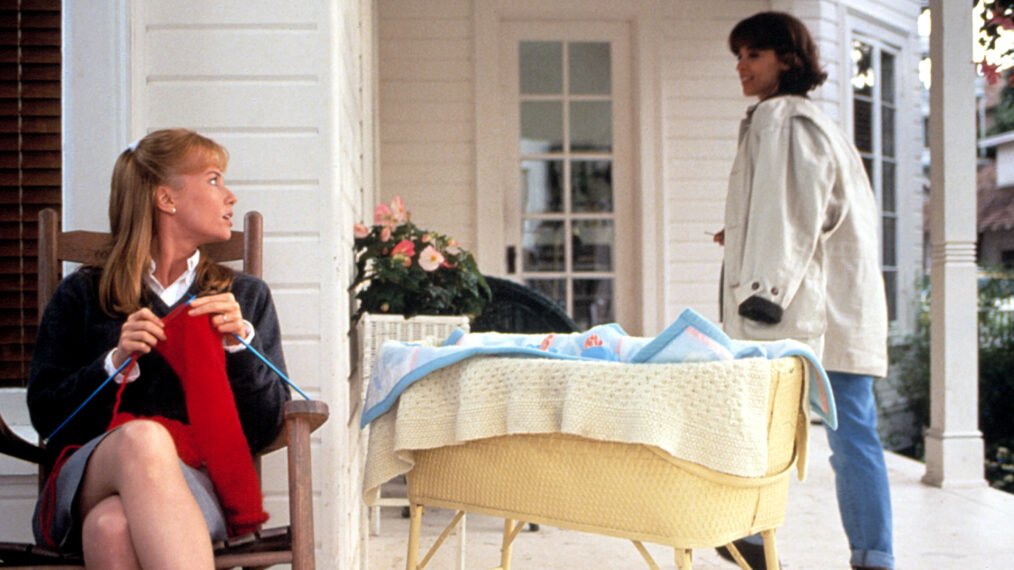
Few psychological thrillers grip the collective imagination quite like 1992’s The Hand That Rocks the Cradle. More than just a suspenseful ride, its enduring power lies squarely in the Iconic Performances and Character Analysis in The Hand That Rocks The Cradle, which dive deep into the darkest corners of human vengeance and maternal instinct. This isn't merely a story of good versus evil; it's a chilling exploration of trust shattered, innocence corrupted, and the primal fight for family, all brought to life by an unforgettable cast.
At a Glance: Why This Film Stays With You
- A Masterclass in Psychological Horror: The film crafts suspense from domestic anxieties, proving terror doesn't need monsters, just a shattered sense of trust.
- Rebecca De Mornay's Chilling Turn: Her portrayal of Peyton Flanders is the gold standard for cinematic nannies gone rogue – subtle, terrifying, and utterly captivating.
- Annabella Sciorra's Resilient Heroine: Claire Bartel's journey from victim to warrior provides a powerful counterpoint to the villain's malevolence.
- Themes That Resonate: It masterfully explores betrayal, the complexities of motherhood, and the elusive nature of justice, all within a seemingly safe suburban setting.
- Financial and Critical Success: A box office hit that spawned remakes and remains a cultural touchstone for domestic thrillers.
When the Cradle Becomes a Coffin: The Chilling Setup
Imagine your life, meticulously built on trust and stability, suddenly collapsing under the weight of a horrific betrayal. That's precisely where The Hand That Rocks the Cradle begins, setting the stage for a psychological war waged within the sanctity of a family home. Claire Bartel (Annabella Sciorra), a pregnant Seattle housewife, experiences a heinous sexual assault by her obstetrician, Dr. Victor Mott. Her brave decision to report him unravels a chain of accusations that ultimately leads to Dr. Mott's suicide.
But the ripple effect doesn't stop there. Dr. Mott's pregnant wife (Rebecca De Mornay), suddenly widowed, loses everything – her husband, her assets, her insurance, and devastatingly, her unborn child, necessitating an emergency hysterectomy. When she sees Claire identified as the first accuser, a cold, calculating resolve solidifies. Six months later, reborn as the seemingly perfect nanny "Peyton Flanders," she infiltrates the Bartel household, her sole purpose: to meticulously dismantle Claire's life, piece by agonizing piece. This premise alone is a masterclass in tension, but it's the performances that truly make it sing.
Rebecca De Mornay as Mrs. Mott/Peyton Flanders: The Master Manipulator Personified
If ever there was a role that defined the term "iconic villainess," it is Rebecca De Mornay’s chilling portrayal of Mrs. Mott, disguised as Peyton Flanders. De Mornay doesn’t chew scenery; she subtly, meticulously devours it, one calculated glance and soft-spoken lie at a time. Her performance is the dark heart of the film, a mesmerizing blend of predatory charm and simmering psychosis.
From the moment Peyton steps through the Bartels' door, De Mornay projects an aura of serene competence that instantly disarms. She's attractive, poised, seemingly perfect with children – the exact opposite of what she truly is. This duality is critical, and De Mornay executes it flawlessly. We see her comforting Claire, offering sage advice, all while her eyes betray a chilling lack of empathy, hinting at the venom beneath the veneer.
Her acts of revenge are not loud or dramatic in their execution, but insidiously quiet:
- Secret Breastfeeding: This is arguably the most disturbing act, a perversion of motherhood itself, as Peyton secretly nurses Claire's baby, Joey. De Mornay plays this with a disturbing tenderness, making it feel less like a monstrous act and more like a twisted claiming of what she feels she's owed. It’s an intimate, almost primal violation that preys on a mother’s deepest fears.
- Manipulating Emma: Peyton targets the impressionable young daughter, Emma, creating a wedge between her and Claire. De Mornay’s interactions with Emma are softly persuasive, filled with seemingly innocent suggestions that slowly poison Emma’s perception of her own mother.
- Sabotaging Michael's Career: Peyton’s destruction of Michael Bartel’s crucial work proposal is quiet and swift, delivered with a casualness that masks its devastating intent.
- Framing Solomon: The cold precision with which she frames the kind handyman Solomon for pedophilia is particularly heinous, showcasing her complete lack of moral compass.
De Mornay’s performance is a masterclass in psychological menace. She doesn't need jump scares; her power comes from the terrifying possibility that such a monster could exist right under your nose, camouflaged by a smile. She embodies the film’s title, becoming the malevolent "hand that rocks the cradle," nurturing her revenge with the same dedication a mother gives her child. It's a performance so convincing, it solidified her place in cinematic history as one of the most memorable villains of the 90s, earning her a well-deserved Saturn Award nomination for Best Actress.
Annabella Sciorra as Claire Bartel: The Maternal Protector Under Siege
Opposite De Mornay's icy villainy stands Annabella Sciorra’s powerful portrayal of Claire Bartel. Claire is not a superhero; she’s an everyday woman thrust into an extraordinary nightmare, and Sciorra captures her journey from contented wife to traumatized victim, and ultimately, to a fierce, resourceful protector of her family.
Sciorra grounds Claire in relatable humanity. At the film's outset, she's a loving mother and wife, her life idyllic. The assault shatters this, and Sciorra conveys the deep emotional scars, the sense of violation that permeates Claire’s every move. You feel her vulnerability, her struggle to reclaim her sense of safety and trust.
As Peyton's manipulations begin, Claire is slow to suspect, a testament to Peyton's skill and Claire's trusting nature. Sciorra beautifully portrays the growing unease, the nagging doubt that creeps into Claire's mind. It's a subtle build, showing Claire’s reluctance to believe the worst about someone she welcomed into her home.
The turning point for Claire comes as she gradually uncovers Peyton's true identity and the full extent of her evil. Sciorra transitions Claire from hesitant suspicion to raw, unwavering determination. Her maternal instinct, once a source of comfort, becomes a formidable weapon. She fights with the ferocity of a lioness protecting her cubs, confronting Peyton directly, firing her, and ultimately engaging in a harrowing, desperate struggle for survival.
Sciorra's performance highlights the profound strength that can emerge from vulnerability. Claire's asthma, a recurring plot point, becomes a symbol of her physical and emotional fragility, yet she overcomes it through sheer force of will when her children are threatened. It's a portrayal that celebrates the resilience of the human spirit and the unbreakable bond of motherhood.
The Supporting Ensemble: Anchors and Collateral Damage
While De Mornay and Sciorra are the dueling forces, the film's supporting cast provides crucial depth, driving the plot, raising the stakes, and showcasing different facets of humanity under duress.
Matt McCoy as Michael Bartel: The Supportive Husband
Matt McCoy portrays Michael Bartel, Claire's devoted husband, with a grounded reliability. Michael is the quintessential supportive partner, standing by Claire after her assault and working hard to provide for his family. McCoy imbues Michael with a steady, earnest concern, reflecting his commitment to uncovering the truth and protecting his loved ones. He initially trusts Peyton, making her betrayal all the more impactful, but his eventual realization and attempts to intervene prove his loyalty, even leading to a severe injury during the climax.
Julianne Moore as Marlene Craven: The Ill-Fated Friend
Julianne Moore, in one of her earlier significant roles, shines as Marlene Craven, Claire’s outspoken friend and Michael's former lover. Marlene’s presence adds a layer of complexity and tension to the Bartel household. Moore plays Marlene with a practical, no-nonsense attitude, coupled with a touch of vulnerability. She's the first to voice strong suspicions about Peyton, her instincts proving tragically correct. Marlene's discovery of Peyton's true identity and subsequent brutal death in the booby-trapped greenhouse is one of the film's most shocking moments, expertly performed by Moore to elicit maximum horror and propel Claire’s investigation. Her performance earned her a Saturn Award nomination for Best Supporting Actress.
Ernie Hudson as Solomon: The Unexpected Ally
Ernie Hudson’s portrayal of Solomon, the Bartels' intellectually disabled handyman, is perhaps one of the film's most heartwarming and unexpectedly heroic. Hudson gives Solomon a gentle sincerity and quiet dignity. Despite his intellectual challenges, Solomon possesses a profound sense of loyalty, keen observation skills, and an unwavering moral compass. He notices Peyton’s sinister behavior long before anyone else, becoming a silent guardian. His refusal to be swayed by Peyton's attempt to frame him for pedophilia, and his ultimate role in aiding the children during the climax, solidifies him as a true hero – a testament to the idea that strength and wisdom come in many forms. Hudson’s performance brings a vital sense of hope and goodness into the film’s dark narrative.
Madeline Zima as Emma Bartel: The Manipulated Child
Madeline Zima delivers a compelling child performance as Emma, the Bartels' daughter. Zima convincingly portrays Emma's vulnerability and impressionability, making her an easy target for Peyton's psychological manipulation. Her shifting loyalties, from being charmed by Peyton to slowly realizing the nanny's true nature, are crucial to the plot. Emma's eventual turning against Peyton during the climax is a pivotal moment, signaling the villain's ultimate downfall and the triumph of family bonds.
Themes Woven Through Performance: More Than Just a Thriller
Beyond the gripping plot, The Hand That Rocks The Cradle delves into universal themes, amplified by its cast's nuanced performances.
- Betrayal: This theme permeates every layer of the film. From the initial betrayal by Dr. Mott, which ignites the entire conflict, to Peyton's calculated infiltration and deception, and even Michael's past infidelity with Marlene, betrayal is a constant undercurrent. The actors convey the profound shock and pain that come with broken trust, making the audience feel the weight of each deceit.
- Motherhood: The film presents two starkly contrasting visions of motherhood. Claire embodies the nurturing, protective, and unconditional love of a mother, brilliantly portrayed by Sciorra. Conversely, Peyton’s actions represent a twisted, weaponized version of maternal instinct – a desire to claim, to control, and to destroy out of a perverted sense of what was stolen from her. De Mornay's scenes with baby Joey are particularly disturbing precisely because they mimic care while driven by malice.
- Justice: Claire initially seeks justice through legal channels, but when that system fails her by only punishing the perpetrator posthumously, and she becomes a target, her quest for justice transforms into a fight for survival. Peyton, on the other hand, believes she is enacting a form of justice, distorted by grief and rage. The performances highlight the ambiguities and complexities of seeking retribution.
- The Domestic Horror: The film’s brilliance lies in its ability to transform the seemingly safe haven of the home into a landscape of terror. The performances ground this horror in reality; the audience identifies with the Bartels’ suburban normalcy, making Peyton’s infiltration all the more terrifying because it could happen to anyone.
Curtis Hanson's Vision and Amanda Silver's Pen: Crafting the Suspense
Director Curtis Hanson, known for his masterful command of suspense and character-driven narratives, meticulously orchestrated the film’s escalating tension. Alongside Amanda Silver's sharp, insightful script, Hanson allowed his actors the space to explore the psychological depths of their characters. He understood that true fear comes not from overt monsters, but from the unsettling unraveling of trust within familiar settings. The meticulous pacing and gradual reveal of Peyton's depravity are testaments to their collaborative genius, creating a canvas upon which the iconic performances could truly shine.
The Enduring Legacy: Why These Performances Resonate Today
The Hand That Rocks The Cradle wasn't just a critical darling; it was a massive box office success, grossing approximately US$140 million worldwide against a budget of just $11.9 million. Its commercial success proved that audiences were hungry for intelligent, character-driven thrillers that explored the darker aspects of human nature. The film became a cultural phenomenon, a shorthand for the "evil nanny" trope, and its influence can still be seen in countless thrillers that followed. Its enduring impact even led to a Bollywood remake, Khal-Naaikaa (1993), and there's an American remake slated for 2025, promising new interpretations of these chilling roles. If you're curious about the potential fresh take on these iconic characters, you might want to look into the Cast for The Hand 2025 and imagine how they'll redefine these roles.
The reason it continues to captivate lies squarely in those performances. Rebecca De Mornay’s Peyton Flanders remains a benchmark for cinematic villainy – a character so subtly terrifying that she haunts viewers long after the credits roll. Annabella Sciorra’s Claire Bartel provides the vital human core, a relatable everywoman whose courage in the face of unspeakable evil reminds us of our own capacity for resilience.
Beyond the Cradle: What We Learn from Cinematic Character Depth
Studying the iconic performances and character analysis in The Hand That Rocks The Cradle offers more than just a nostalgic trip down a suspenseful memory lane. It’s a masterclass in how powerful acting elevates a compelling story into an unforgettable experience. It teaches us about the fragility of trust, the terrifying potential of hidden malice, and the unwavering strength of a mother’s love.
The film underscores that true cinematic impact often stems from characters who are multi-layered, whose motivations, however dark, are understandable within their twisted logic. It reminds us that sometimes, the most dangerous threats aren’t lurking in the shadows, but smiling politely from across the kitchen table. These performances don't just entertain; they provoke thought, stir unease, and leave an indelible mark on our understanding of cinematic storytelling and the dark, complex tapestry of human psychology. If you haven't revisited this classic in a while, perhaps it’s time to watch it with fresh eyes, appreciating the incredible depth these actors brought to their iconic roles.