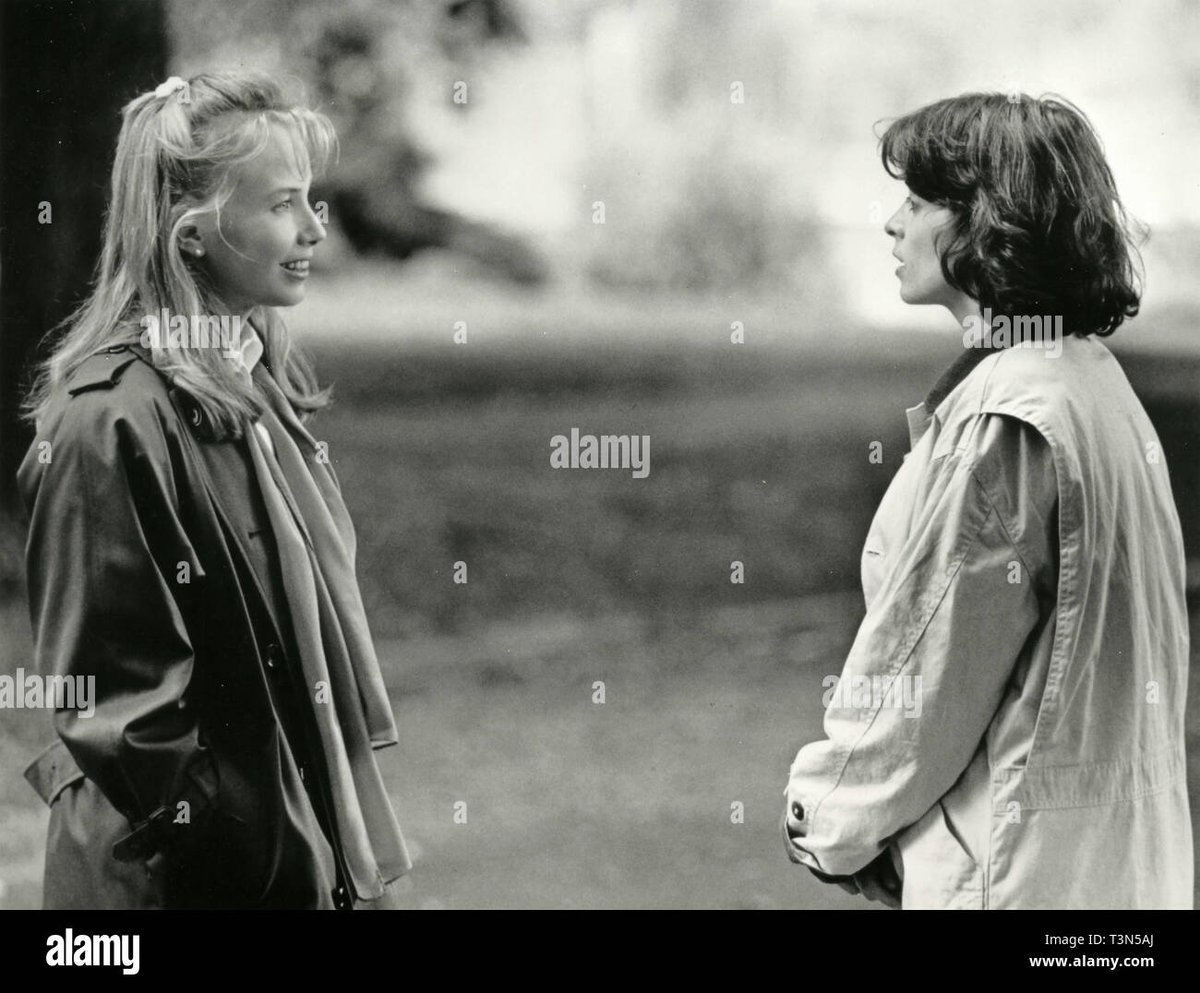
When we talk about films that burrow deep into the collective consciousness, few have left a mark as indelible as The Hand That Rocks The Cradle. Released in 1992, this psychological thriller didn't just top the box office; it expertly tapped into primal fears about the sanctity of home, the trustworthiness of strangers, and the vulnerability of new parents, forever altering our perception of domestic help and delivering a chilling narrative that continues to resonate decades later. Its legacy isn't just about jump scares; it's about the cultural impact it had on the thriller genre, on suburban paranoia, and on our understanding of villainy wrapped in a deceptive smile.
At a Glance: The Enduring Power of The Hand That Rocks The Cradle
- Genre-Defining Thriller: Solidified the "nanny from hell" trope, inspiring countless imitators.
- Tapped into Primal Fears: Exploited anxieties about home invasion, betrayal, and the vulnerability of children and new mothers.
- Box Office Juggernaut: A massive financial success, proving the market for sophisticated psychological horror.
- Iconic Villain: Rebecca De Mornay's Peyton Flanders became a benchmark for calculated, insidious evil.
- Cultural Touchstone: Phrases and scenarios from the film became part of everyday discourse, even influencing how parents vetted childcare.
- Catalyst for Remakes: Its enduring relevance led to a 2025 remake, seeking to update its themes for a new generation.
The Original Sin: A Story That Gripped a Generation (1992 Film Overview)
Imagine a perfect suburban life: a loving husband, two beautiful children, a charming new home. Now imagine that sanctuary slowly, meticulously, being dismantled from within by a malevolent force disguised as a guardian angel. That's the terrifying premise of Curtis Hanson's The Hand That Rocks The Cradle, a film that proved that some of the most profound horror doesn't need monsters or ghosts – it just needs a human being intent on destroying your world.
The narrative, penned by Amanda Silver, introduces us to Claire Bartel (Annabella Sciorra), a pregnant housewife whose life takes a dark turn after a traumatic sexual assault by her new obstetrician, Dr. Victor Mott. When Claire reports him, triggering a domino effect of other accusations, Dr. Mott takes his own life to escape arrest. This act leaves his pregnant wife, Mrs. Mott (Rebecca De Mornay), penniless, traumatized, and suffering a miscarriage and emergency hysterectomy. Discovering Claire was the catalyst for her devastation, Mrs. Mott reinvents herself as "Peyton Flanders" and, with a chillingly calm demeanor, infiltrates the Bartel household as their new nanny.
What unfolds is a masterclass in psychological manipulation. Peyton systematically chips away at Claire's sanity and her family's stability. From secretly breastfeeding the newborn Joey to turn him against Claire's milk, to subtly poisoning Michael Bartel's professional life, and cruelly framing the kind handyman, Solomon, for pedophilia, Peyton's actions are as insidious as they are effective. The tension ratchets up with each calculated move, culminating in the shocking deaths of Claire's friend Marlene and a near-fatal asthma attack for Claire herself, all orchestrated by Peyton. The final confrontation, a desperate fight for survival in the Bartel attic, saw Claire ultimately push Peyton to her death, impaled on a picket fence—a visually brutal end to a truly terrifying villain.
The film wasn't just critically appreciated; it was a box office phenomenon. Grossing approximately $140 million worldwide against a modest budget of $11.9 million, it became one of 1992's most profitable films. Its success wasn't accidental; it resonated because it played on fears that felt incredibly close to home, transforming the seemingly safe haven of a middle-class household into a battleground for survival.
Unpacking the Fear: Why "Cradle" Terrified Us
The Hand That Rocks The Cradle didn't rely on gore or supernatural entities. Its horror was deeply human, meticulously crafted to exploit universal anxieties. It achieved its chilling effect by focusing on themes that remain evergreen in the human experience.
The "Nanny from Hell" Trope: A New Kind of Villainy
While evil nannies or housekeepers certainly existed in fiction before 1992 (think "Rebecca" or "The Bad Seed"), The Hand That Rocks The Cradle popularized and cemented the "nanny from hell" as a modern horror archetype. Peyton Flanders wasn't just a bad employee; she was a predator, a wolf in caregiver's clothing, operating within the most intimate spaces of family life. She embodied the terrifying idea that the person entrusted with your children, the one who knows your home's rhythms, your routines, and your vulnerabilities, could be your greatest enemy.
This trope caught on like wildfire. Suddenly, every new parent considering childcare might have had a flicker of doubt, a momentary flash of Peyton's cold stare. The film forced a conversation, albeit an unsettling one, about the implicit trust placed in those who enter our homes and care for our most precious loved ones. It wasn't just a film; it was a cautionary tale, whether intended or not.
Suburban Paranoia: The Home as a Battleground
The Bartels' home, located at 808 North Yakima Avenue in Tacoma in the film's geography, represented the quintessential American suburban ideal: safe, comfortable, and protected. The Hand That Rocks The Cradle systematically dismantled this illusion. The terror didn't come from outside forces, but from within the very walls designed for security and comfort. Peyton's infiltration made the home itself feel unsafe, turning a sanctuary into a trap.
This played directly into a growing sense of suburban paranoia in the early 90s, where traditional threats like crime were often perceived as external, but films like this highlighted a more insidious, internal danger. It made us question: if our homes aren't safe, where is?
Psychological Warfare: Peyton's Masterclass in Manipulation
Peyton Flanders is a villain defined by her chilling intelligence and relentless patience. Her actions aren't impulsive; they are calculated, strategic, and designed to isolate Claire and systematically destroy her life without leaving a trace of her involvement.
- Gaslighting: Peyton masterfully makes Claire question her own perceptions, sanity, and competence as a mother. By subtly undermining her, she makes Claire appear unstable to her husband and friends, creating a vacuum of trust around her.
- Weaponizing Intimacy: Peyton uses her privileged access to the children and the home to devastating effect. Her secret breastfeeding of Joey, for example, is not just perverse; it's a direct assault on Claire's maternal bond and identity.
- Framing and Betrayal: Her meticulous efforts to frame Solomon and later manipulate Claire into humiliating Marlene highlight her strategic brilliance. She doesn't just attack; she manipulates others to do her dirty work or become collateral damage.
Rebecca De Mornay's performance as Peyton was crucial to the film's impact. Her ability to switch between charming caregiver and ice-cold avenger was truly unsettling, creating a character whose smiles hid a deep well of hatred.
The Loss of Innocence and Maternal Vulnerability
At its core, The Hand That Rocks The Cradle is a story about vulnerability. Claire Bartel starts the film already traumatized by an assault. The subsequent events strip away her sense of safety, her trust in institutions (doctors), and ultimately, her own judgment as a mother. The film leans heavily into the fear of a new mother's postpartum fragility, portraying Claire as someone pushed to the brink, making her an easy target for Peyton's machinations.
This vulnerability resonated deeply with audiences, particularly women, who understood the unique pressures and anxieties of motherhood. The idea that someone could exploit that profound love and protective instinct against you was, and remains, a truly horrifying prospect.
Beyond the Box Office: "Cradle's" Enduring Cultural Footprint
The Hand That Rocks The Cradle wasn't just a hit movie; it was a cultural phenomenon that left a lasting imprint on Hollywood and beyond. Its influence can be seen in various aspects of media and societal discussion.
Shaping the Thriller Genre
The film cemented a specific type of psychological thriller: one where the antagonist is an "insider," someone who breaches the perceived safety of home or family. Following its success, there was a noticeable uptick in films featuring dangerous domestic help, obsessive neighbors, or deceptive friends. This subgenre, often dubbed "domestic thriller," owes a significant debt to Cradle's blueprint. It proved that fear could be generated not through supernatural scares, but through the breakdown of trust in everyday relationships.
Social Commentary and Gender Roles
While primarily a thriller, the film subtly touches on societal issues of its time. The initial assault by Dr. Mott speaks to power imbalances and the vulnerability of patients within the medical system. Peyton's entire vendetta is born from a desire for revenge against the system that allowed Claire to bring down her husband.
Furthermore, the film explores gender roles, particularly in the domestic sphere. Claire, the homemaker, is initially seen as more fragile, while Michael, the working husband, is initially dismissive of her growing suspicions. This dynamic underscores how women's concerns in domestic settings were sometimes downplayed or attributed to "hysteria," adding another layer of frustration and isolation for Claire. The film ultimately empowers Claire to fight back, transforming her from victim to survivor.
Iconic Moments That Lasted
Certain scenes and lines from The Hand That Rocks The Cradle have become ingrained in popular culture, often referenced or parodied:
- The Secret Breastfeeding: Perhaps the most shocking and disturbing scene, where Peyton secretly breastfeeds baby Joey, undermining Claire's bond and causing the infant to reject his own mother's milk. It's a moment of profound psychological violation.
- Marlene's Greenhouse Death: The meticulously orchestrated death of Claire's friend Marlene in the greenhouse, with the glass ceiling collapsing, remains a memorable and gruesome demise.
- "You're not doing anything to me that I'm not doing to you." Peyton's chilling taunt to Claire perfectly encapsulates her ruthless resolve.
In 2006, the film was even ranked #24 in Bravo's "30 Even Scarier Movie Moments," a testament to its memorable scares.
Remakes and Cultural Reverberations
The film's global appeal was evident in its 1993 Bollywood remake, Khal-Naaikaa. More recently, the enduring themes of The Hand That Rocks The Cradle have spurred new interpretations. In 2014, an American television adaptation was in development, though it ultimately didn't move forward. However, the story proved too compelling to leave untouched.
Reviving the Terror: The 2025 Remake's Challenge
Over three decades after the original chilled audiences to the bone, a new American film remake, also titled The Hand That Rocks The Cradle, was announced. Released directly to streaming on Hulu on October 22, 2025, this modern take sought to update the classic narrative for a contemporary audience.
Why a Remake Now?
Remakes often arise from a desire to introduce classic stories to new generations or to re-examine existing narratives through a modern lens. For The Hand That Rocks The Cradle, the underlying fears—the vulnerability of family, the trust placed in caregivers, and the hidden dangers within seemingly safe spaces—are as relevant today as they were in 1992, perhaps even more so with increased discussions around mental health, privacy, and systemic abuses of power.
A New Angle on Familiar Fears: Changes in the 2025 Version
The 2025 remake, directed by Michelle Garza Cervera and written by Micah Bloomberg, makes several key adjustments to the original's formula. Shifting the setting to Los Angeles, it features Mary Elizabeth Winstead as Caitlin Morales and Maika Monroe as Polly Murphy, the live-in nanny. For a full breakdown of who's who, you can find details about The 2025 Hand Cast.
Perhaps the most significant change lies in the character motivations. Caitlin is portrayed as a career woman grappling with a secretive past and mood swings, adding layers of complexity to her vulnerability. Polly's reasoning for terrorizing the family is also adjusted, aiming for "deeper and more relatable character motivations" for both Polly and Caitlin, moving beyond the direct revenge plot of the original. The remake features Raúl Castillo as Miguel (Caitlin's husband) and Mileiah Vega as their daughter Emma, with a newborn named Josie. Martin Starr takes on a role reversal of Julianne Moore's character from the original, promising different dynamics.
These changes suggest an attempt to ground the psychological horror in more nuanced character studies, perhaps exploring themes of generational trauma, professional burnout, or the pressures faced by modern working mothers, rather than just raw, unadulterated vengeance.
Early Reception and Challenges
Critiques of the 2025 remake highlight that while it offers some creative ways to flip the story and features strong performances from Monroe and Winstead, it ultimately struggles to maintain the suspense and depth of its predecessor. Reviewers noted that it "slides into a 'by-the-books-thriller'" with "unbelievable character motivations and ridiculous attempts at unnecessary gore scenes," suggesting it lost its initial promise due to a "frantic rush to the 'good stuff'" rather than meticulously building tension.
This feedback underscores the difficulty in remaking a film that so perfectly captured the zeitgeist of its era. The original's power came from its slow burn, its psychological precision, and its ability to tap into very specific societal anxieties. Modernizing these elements without losing the core impact is a delicate balancing act.
From Cradle to Culture: The Legacy Continues
So, why does The Hand That Rocks The Cradle continue to resonate, even with a mixed reception for its remake? Because its core anxieties are timeless.
Was it just a cheap scare?
Absolutely not. While it delivered thrills, the film's lasting impact comes from its intelligent script and nuanced performances. It tapped into profound societal fears: the loss of control, the vulnerability of the innocent, and the insidious nature of evil hiding in plain sight. It used genre conventions to explore deeper psychological and social themes, elevating it beyond mere entertainment. The critical consensus, including a 67% positive rating on Rotten Tomatoes and an "A−" grade from CinemaScore audiences, speaks to its quality.
What makes a villain like Peyton so effective?
Peyton Flanders is effective because she represents a betrayal of the deepest trust. She's not a masked slasher or a supernatural entity; she's a seemingly ordinary person, entrusted with the most sacred duty, who systematically abuses that trust for intensely personal, yet universally understandable, reasons of grief and vengeance. Her methods are psychological, making her even more terrifying because her weapon is the mind, both hers and her victims'.
The film masterfully builds her character, making her initially appear sympathetic, before slowly revealing the depths of her depravity. This gradual reveal, coupled with her chillingly calm demeanor, makes her a truly unforgettable antagonist.
The Hand's Unyielding Grip: A Final Look at its Power
The Hand That Rocks The Cradle is more than just a 90s psychological thriller; it's a testament to the power of a well-crafted story to tap into universal anxieties and leave an enduring mark on popular culture. It gave us a new archetype of fear, fueled suburban paranoia, and proved that the most chilling monsters often wear human faces.
From its box office dominance to its lingering influence on the thriller genre and the very way we think about domestic security, its legacy is undeniable. And while its 2025 remake attempts to re-contextualize its terror for a new era, the original's raw, visceral depiction of betrayal and vengeance remains a powerful, often unsettling, reminder of the fragile line between trust and terror, and the dark potential of the human heart. It teaches us that sometimes, the hand that rocks the cradle is also the hand that can bring your world crashing down.